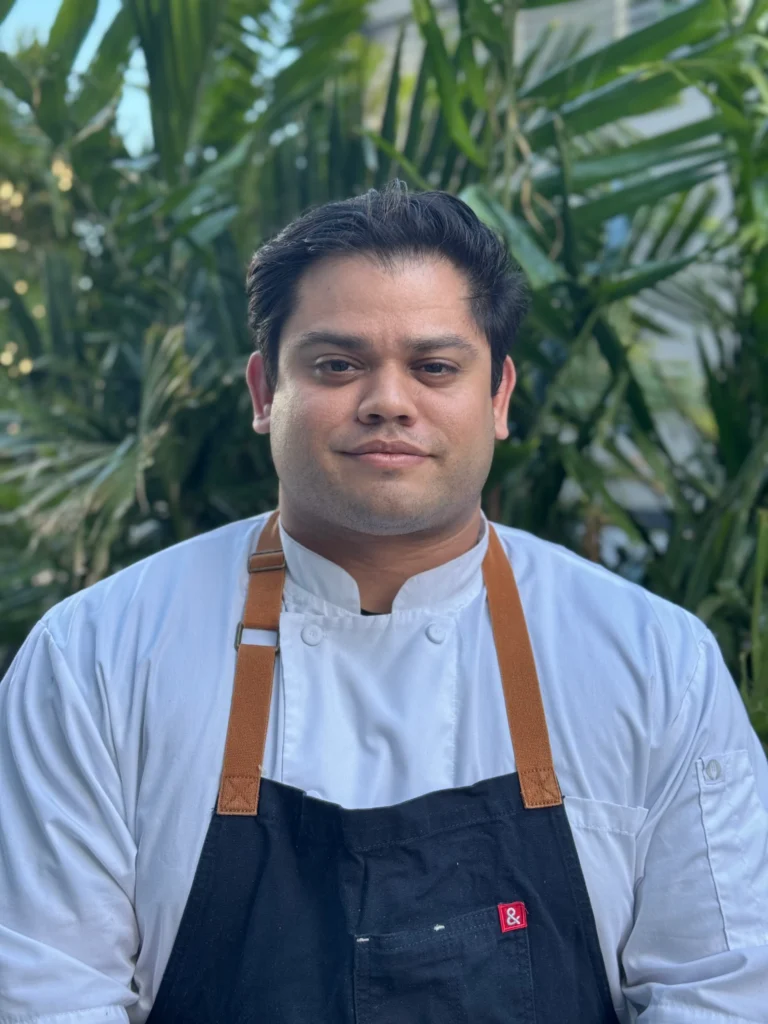
In restaurants around the world, guests remember the flavors, the atmosphere, the feeling of being taken care of. They remember how often they came back. They remember bringing someone new. They remember deciding, without discussion, “Let’s just go there.” That kind of loyalty isn’t created by trends or grand openings — it’s built quietly, over time.
A great restaurant is not built on one good night. It’s built on hundreds of ordinary ones done exceptionally well. That quiet repetition is where Jared Astrinos has spent his career.
Jared’s work is rooted in a simple belief rarely spoken about in the industry: restaurants succeed not because they impress once, but because they deliver trust again and again. Everything he does — from how a menu is built to how a kitchen team is trained — reflects that understanding.
In this conversation, Jared Astrinos speaks openly about what it really means to become a chef, what makes a restaurant succeed, and why consistency matters more than talent alone.
Many people dream of becoming a chef. What do you think they don’t fully understand at the beginning?
Jared Astrinos: Most people fall in love with the idea of cooking before they understand the lifestyle. Being a chef is not just about creativity — it’s about responsibility. You’re responsible for your team, your costs, your standards, and your guests every single day. Passion is important, but discipline is what keeps you going when passion isn’t enough.
A lot of people want results fast. Kitchens don’t work that way. You earn your place through time, consistency, and showing up when it’s hard.
What separates a good chef from a great one?
Jared Astrinos: Consistency. Anyone can cook a great dish once. A great chef can deliver the same quality on a busy Saturday night, during staff shortages, under pressure — and still take care of the team. The best chefs think in systems. They don’t rely on mood or inspiration. They build kitchens that function even when they’re not standing at every station.
You’ve worked in luxury hotels and upscale restaurants. How does that environment shape a chef?
Jared Astrinos: Luxury hospitality teaches accountability. You learn very quickly that standards are not optional. Food cost, labor cost, portioning — those things matter just as much as flavor.
You also learn how important training is. A restaurant doesn’t succeed because of one chef. It succeeds because everyone understands their role and executes it properly.


You’re known for working across multiple cuisines. How important is technique?
Jared Astrinos: Technique is everything. I’ve worked with French, Spanish, Italian, and Caribbean cuisine, and what connects them all is structure. Once you understand the foundation, you can adapt without losing authenticity. Trends come and go, but technique stays. If you don’t respect the basics, it always shows on the plate.
What role does the chef play in building a successful restaurant?
Jared Astrinos: The chef sets the tone. A restaurant reflects the mindset of the kitchen. Good food brings people in at once. Consistency brings them back. Regular customers don’t come back because of one impressive dish — they come back because they trust the experience. That trust starts in the kitchen.
What are some realities of the industry people don’t talk about enough?
Jared Astrinos: Burnout is real. So is ego. Kitchens fail when people stop listening. The chefs who last are the ones who stay humble, keep learning, and understand that leadership is about service, not control. You’re there to support the team so they can perform at their best.
What advice would you give to someone who truly wants to become a chef?
Jared Astrinos: Be patient. Learn the basics properly. Respect every role in the kitchen. Don’t rush titles — focus on skill. And understand that the best chefs are students for life. The moment you think you know everything is the moment you stop growing.
How do you personally define success as a chef?
Jared Astrinos: Success is when a kitchen runs well even when things go wrong. If my team grows, if the restaurant stays consistent, and if guests keep coming back — that’s success. Recognition is nice, but results matter more.
Quietly, consistently, Jared Astrinos represents the kind of chef the industry is built on — disciplined, dedicated, and deeply committed to the craft. His story is not about shortcuts or spectacle, but about showing up every day and doing the work that most people never see.
And in the end, that unseen work is what makes great restaurants last.