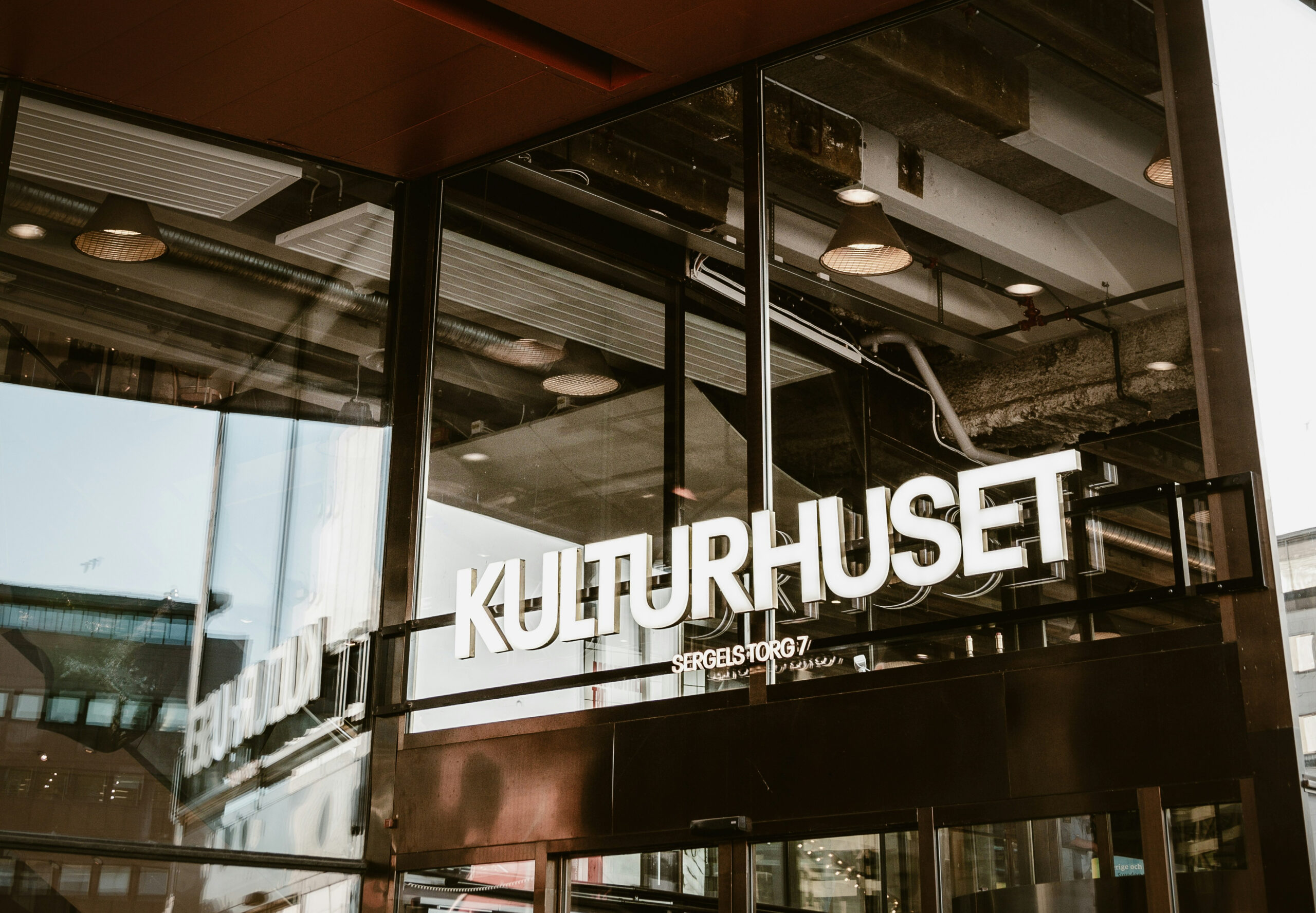
The Origins of Pindhuset: From Warehouse to Landmark
Constructed in the early 20th century, Pindhuset began its life as a warehouse, fulfilling a crucial role for local businesses in the area. This architectural structure was meticulously designed to accommodate the needs of various enterprises, making it an essential hub for storage and distribution. With its robust design, the building featured high ceilings and expansive open spaces, allowing for efficient stacking of goods and easy navigation for personnel.
The choice of materials used in Pindhuset’s construction, such as sturdy bricks and iron beams, contributed significantly to its structural integrity. This not only enabled it to withstand the rigors of time but also provided an ideal environment for preserving stored items. The building’s layout was optimized for functionality, incorporating large loading docks that facilitated the swift transfer of goods to and from delivery vehicles. Such features were instrumental in supporting the local economy as they allowed businesses to operate more efficiently.
During its formative years, Pindhuset served as a vital resource for the community, providing essential storage solutions for various types of merchandise. The building’s strategic location made it easily accessible to merchants and vendors, enhancing its role as a central point for trade. Over time, it evolved from merely a functional warehouse to a landmark cherished by the local population. Its historical significance and architectural features have become a testament to the industrious spirit of the era in which it was built, showcasing how design can serve both practical and aesthetic purposes.
As Pindhuset transitioned through decades of change, the memory of its origins as a local warehouse remains integral to its identity as a beloved landmark today.
Architectural Design: A Blend of Modernity and Tradition
The architectural design of Pindhuset is a remarkable fusion of modernity and traditional aesthetics, embodying elements that reflect both innovation and heritage. One of the most striking features of Pindhuset is its resemblance to a ship, characterized by graceful lines and an organic form that seamlessly fits into the coastal landscape. This unique design not only enhances the building’s visual appeal but also emphasizes its harmonious relationship with the natural environment.
The incorporation of traditional materials alongside modern construction techniques is another key aspect of Pindhuset’s architecture. Local wood and stone are utilized, paying homage to regional craftsmanship while ensuring sustainability. This approach not only supports local industries but also maintains a connection to the past, celebrating the architectural styles that have influenced the region over centuries.
Furthermore, Pindhuset’s strategic placement allows for panoramic views of the surrounding landscape, which is integral to its design philosophy. Large windows and open floor plans invite natural light inside, creating an inviting atmosphere that reflects the essence of a coastal abode. This interplay between light and space underscores the building’s modernity, while still honoring the traditional aspects of rural dwellings.
The overall silhouette of Pindhuset, reminiscent of a ship sailing gracefully on the water, anchors its identity as a pivotal structure within its coastal setting. The careful consideration of shape and form not only makes a bold architectural statement but also allows the building to respond dynamically to the environment. This synergy of modern design with historical echoes creates a narrative that is both timeless and forward-looking.
Cultural Significance: The Role of Pindhuset in the Community
Pindhuset, originally conceived as a functional storage facility, has undergone a remarkable transformation, evolving into a pivotal landmark within the community. This change has not only elevated its status but has also significantly influenced the social and cultural dynamics of the area. As a historical structure, Pindhuset now serves as a testament to the local heritage, reflecting the traditional architectural style and the historical context of its surroundings.
The building has become a hub for various community events, fostering social interactions among residents and drawing the interest of visitors. Activities ranging from cultural festivals, art exhibitions, to educational workshops are frequently hosted at Pindhuset, allowing it to play a crucial role in community engagement. This has contributed to a heightened sense of belonging and pride among the locals, as they reconnect with their traditions and share them with a broader audience.
Moreover, the architectural significance of Pindhuset goes beyond aesthetics; it embodies the collective memory of the area. The building serves as a physical reminder of the past, prompting discussions about local history and identity. By hosting public events and exhibitions, Pindhuset not only preserves cultural narratives but also invites new interpretations and creative expressions from different generations.
Visitors to the site often find themselves captivated not just by its historical essence but also by the vibrant activities that take place within its walls. As such, Pindhuset serves as a bridge between the past and the present, enriching the local cultural landscape. The ongoing evolution of this space illustrates the vital role it plays in nurturing community bonds, promoting cultural exchange, and maintaining the historical identity of the area.
The Future of Pindhuset: Preservation and Adaptation
As we look toward the future, the preservation of Pindhuset stands as a significant priority for both local community leaders and historical conservationists. This unique structure, recognized for its architectural importance, plays an integral role in the cultural identity of the region. Efforts to maintain its historical integrity involve a variety of strategies, ranging from meticulous restoration work to innovative adaptations that breathe new life into the space.
Ongoing projects focus on preserving the original elements that define Pindhuset while incorporating modern functionalities. This balance between conservation and contemporary use is crucial to ensure that Pindhuset remains relevant to current generations. Initiatives may include the introduction of educational programs that leverage the building’s historical context or utilizing the space for community events, such as markets or art exhibitions. By doing so, Pindhuset not only honors its past but also continues to engage with the community, fostering a sense of ownership and connection.
Another aspect of future adaptations includes the integration of sustainable practices into its maintenance. Upgrades that promote energy efficiency can help preserve the building’s fabric while also reducing its environmental footprint. Key improvements may involve the installation of modern heating systems, the use of sustainable materials for repairs, and the implementation of eco-friendly amenities. Such advancements reflect a growing shift towards sustainability within heritage conservation, ensuring that Pindhuset remains a functional and responsible member of the architectural landscape.
In conclusion, the future of Pindhuset hinges on a delicate balance of preservation and adaptation. Ongoing efforts focus on maintaining its historical essence while enabling it to serve contemporary needs, solidifying its role as a vital part of the community’s social and cultural life.